
Blogs
A collection of blog posts pertaining to the President's Cancer Panel and related topics.

-
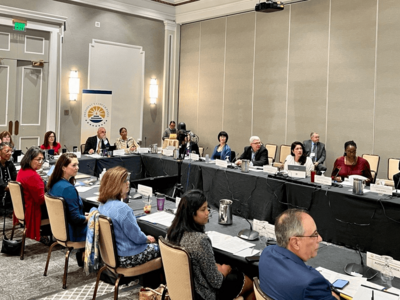
On October 17, 2023, the President’s Cancer Panel convened the first of three public meetings with key experts to discuss gaps and opportunities at the intersection of technology and patient navigation. Read our latest blog post to find out more about common themes and priority areas that emerged from this meeting.
-
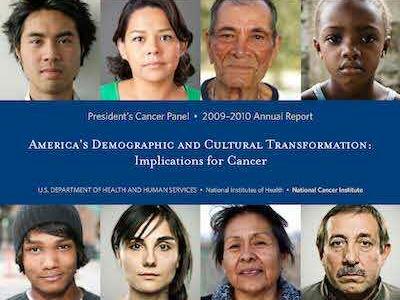
A key to addressing health disparities - as highlighted in the 2010 Panel Report - is addressing social determinants of health in patient care. Learn how organizations are taking steps to better address patients’ social needs and risks in cancer care.
-

On September 7th, the Panel convened a meeting with stakeholders from across the cancer community to highlight progress towards the National Cancer Plan’s goals and discuss opportunities for improvement. Check out our latest blog for a meeting recap and learn more about the Panel’s next steps.
-

The National Breast Cancer Roundtable was born out of the call for action by the President's Cancer Panel. Learn more about how the American Cancer Society, the leading force behind the Roundtable, spearheads this effort to improve equity and access in cancer screening.
-
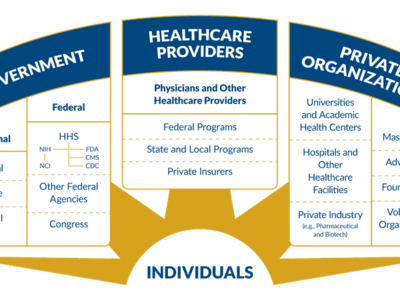
One of the most important tasks of the President’s Cancer Panel is to monitor the National Cancer Program. Learn more about this critical effort that brings together the cancer community to make progress in reducing the burden of cancer.
-
On April 3, 2023, with leadership from National Cancer Institute (NCI) Director Monica Bertagnolli, the U.S. Department of Health and Human Services (HHS) released a National Cancer Plan to guide the nation’s efforts against cancer.
-

Throughout its history, the President’s Cancer Panel (PCP) has explored the causes of and possible solutions to disparities in the nation’s health care system.
-
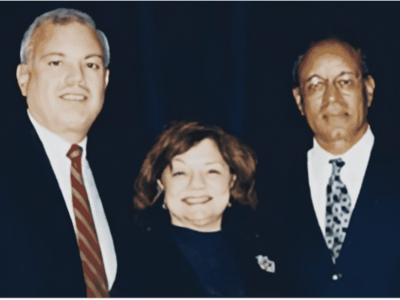
Throughout its history, the President’s Cancer Panel (PCP) has explored the causes of and possible solutions to disparities in the nation’s health care system.
-
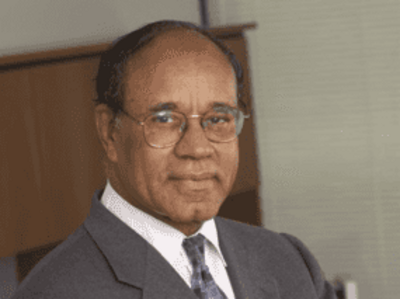
It has been known for some time that the burden of cancer does not affect all populations equally. In 1975, 4 years after the signing of the National Cancer Act, the overall cancer mortality rate for Black Americans was 20% higher than for White Americans.
-
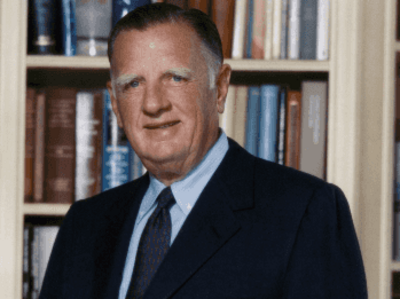
When President Richard Nixon signed the National Cancer Act of 1971, the United States put in motion a coordinated system of federal and nonfederal organizations and partners to address the nation’s cancer burden.