
Meeting Recap: Opportunities to Strengthen Cancer Prevention in the United States
On June 8–9, 2026, the President’s Cancer Panel convened a 2-day public meeting to learn about the evidence linking modifiable risk factors to cancer, including early-onset cancers. Discussions throughout both days focused on exploring opportunities to translate current knowledge into actionable recommendations for cancer prevention.
Modifiable risk factors, including lifestyle factors and environmental exposures, contribute to a substantial percentage of cancer cases in the United States. While scientific evidence on modifiable risk factors for cancer continues to grow, many Americans are diagnosed with preventable cancers each year. In fact, cancer diagnoses are on the rise among Americans age 50 and under—highlighting an urgent need to identify and implement new strategies for cancer prevention.
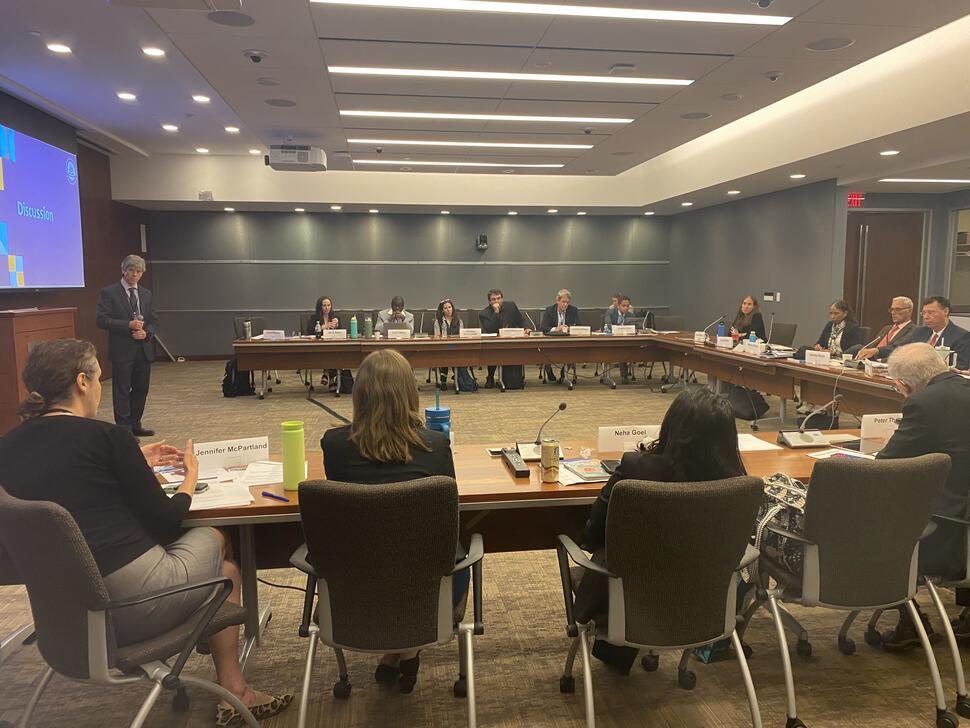
Speakers at the President's Cancer Panel meeting on June 9, 2026
The Panel gathered subject matter experts from across the National Cancer Program specializing in cancer prevention, epidemiology, and public health. Invited speakers presented on a range of topics that demonstrated the complexities of cancer risk factors and the need for comprehensive, multifaceted solutions to reduce cancer risk.
Speakers noted that exposures to known or suspected carcinogens in the air, water, soil, and products that people come in contact with every day are not evenly distributed across the United States, and they can be involuntary. Additionally, identifying and characterizing environmental risk factors for cancer can be difficult because of challenges assessing the dose, timing, and length of exposure, as well as the interactions between multiple exposures.
Lifestyle risk factors such as tobacco smoking and vaping, excess body weight, alcohol use, ultraviolet radiation, and carcinogenic infections are prevalent in the United States and contribute to about 40% of cancer cases. Dietary patterns and the consumption of highly processed or pro-inflammatory foods are linked to obesity and other mechanisms, which play substantial roles in the etiology and prevention of cancer. Speakers agreed that major efforts are needed to manage obesity and regulate the food environment through methods such as reducing highly processed food consumption, addressing marketing and production strategies of food corporations, and increasing access to healthy foods. Preliminary research on GLP-1–based therapies, which facilitate weight loss and may offer additional health benefits, suggests that these medications could be a powerful tool to mitigate cancer risk.
Speakers emphasized that the burden of reducing cancer risk should not fall on the individual; rather, it should be a collective responsibility from partners across society, including public and private sectors. Meeting discussions focused on the need for policy and regulatory action to strengthen cancer prevention strategies in the United States. Solutions and approaches to address cancer risk factors should also consider systemic challenges to ensure interventions are sustainable and aligned with the everyday needs of Americans. For instance, efforts to improve nutrition should consider factors such as the limited access to healthy food options and prevalence of highly processed foods in some communities.
The information shared at this meeting will guide the Panel as it considers topics for future meetings and develops recommendations for its next report to the President of the United States. The meeting summary and recording will be available on the Panel’s page Modifiable Risk Factors for Cancer: Opportunities for Prevention.