
Empowering Cancer Patients and Survivors: Michael Caputo on Surviving Cancer and Finding a Passion for Advocacy
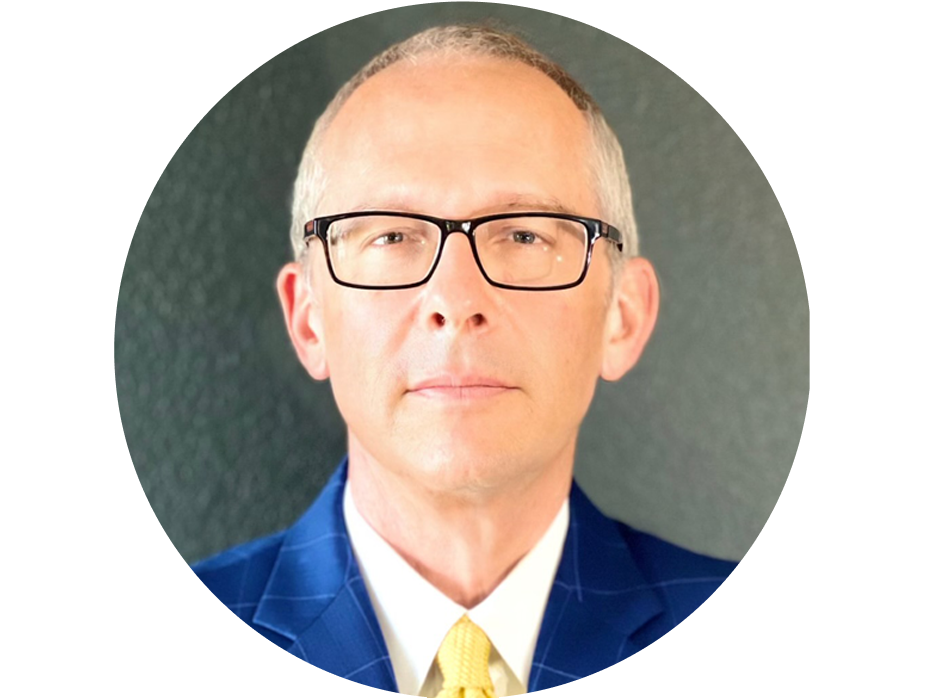
Michael R. Caputo
The President’s Cancer Panel is pleased to introduce new member Michael Caputo. Michael is a devoted father, a man of faith, and a passionate advocate for cancer patients and survivors. His advocacy is grounded in personal experience: Michael was diagnosed with head and neck cancer in 2020. Learning from people with lived experience of cancer has always been core to the Panel’s mission. Michael hopes to build on this legacy by inviting more patients and survivors into the conversation.
Reflecting on his experience with cancer, Michael is grateful for the high-quality, compassionate care he received and the meaningful connections he made during treatment. However, going through cancer treatment during the COVID-19 pandemic posed many challenges. To protect his health, Michael spent several months in quarantine at his home, separated from his wife and daughters. But Michael and his family found creative ways to stay connected. “My daughters would sit outside my bedroom with the door closed and read to me,” he says. “When I went to bed at night, I would open my door just to see the rest of the house and all their artwork was taped up on the door.”
Michael also developed a deep sense of spirituality during his treatment, finding hope in his strong connection to his Catholic faith. Now that treatment is in his rearview mirror, he’s pursuing a master’s degree in theology and always looking for opportunities to help others, both in his close-knit community and across the country. Proudly identifying as a “girl dad,” he relishes the opportunity to support his daughters.
Michael’s experience has taught him that it’s important to talk about the hard parts of cancer treatment and survivorship. “I believe there’s very little recognition of the lifelong challenges of surviving cancer,” he says. Following his first chemotherapy session, Michael developed tinnitus, or ringing in his ears, an aftereffect he continues to live with today. He’s not alone: about 35% to 40% of survivors who receive certain types of neurotoxic chemotherapy develop tinnitus. More research is needed to understand why some chemotherapy recipients develop aftereffects like tinnitus, identify risk factors, and tailor cancer treatment strategies accordingly.
For Michael, tinnitus is a reminder that survivors don’t always get to leave treatment behind. Through his work with the President’s Cancer Panel, Michael aims to draw attention to ongoing challenges that many survivors face and work toward solutions. “I would like to include the input of cancer patients and survivors at the decision-making level,” Michael says. After all, when it comes to cancer, “the smartest people I’ve ever met are those who have gone through it.” By fusing the Panel’s scientific expertise with wisdom that can only come from lived experience, Michael hopes his time on the Panel will meaningfully improve the lives of Americans affected by cancer.